Mutsu Hassen Ginjo PINK: A Sake Made for the Western Table
Discover how Mutsu Hassen Ginjo PINK — a fruity, aromatic sake from Aomori — pairs beautifully with Western dishes, from cream pasta to mozzarella salad.
Where East Meets West in a Glass
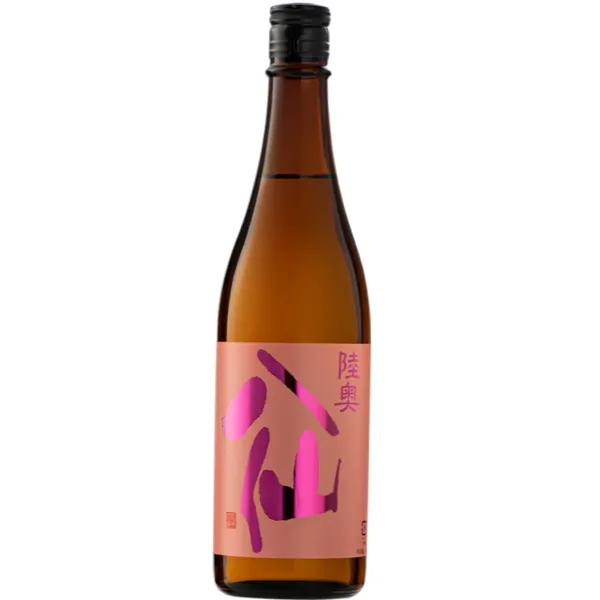
Sake has long been considered the exclusive companion of Japanese cuisine — a sip beside delicate sashimi or a warm bowl of rice. But that assumption is rapidly changing, and few bottles make the case more convincingly than Mutsu Hassen Ginjo PINK from Hachinohe Sake Brewery in Aomori, Japan.
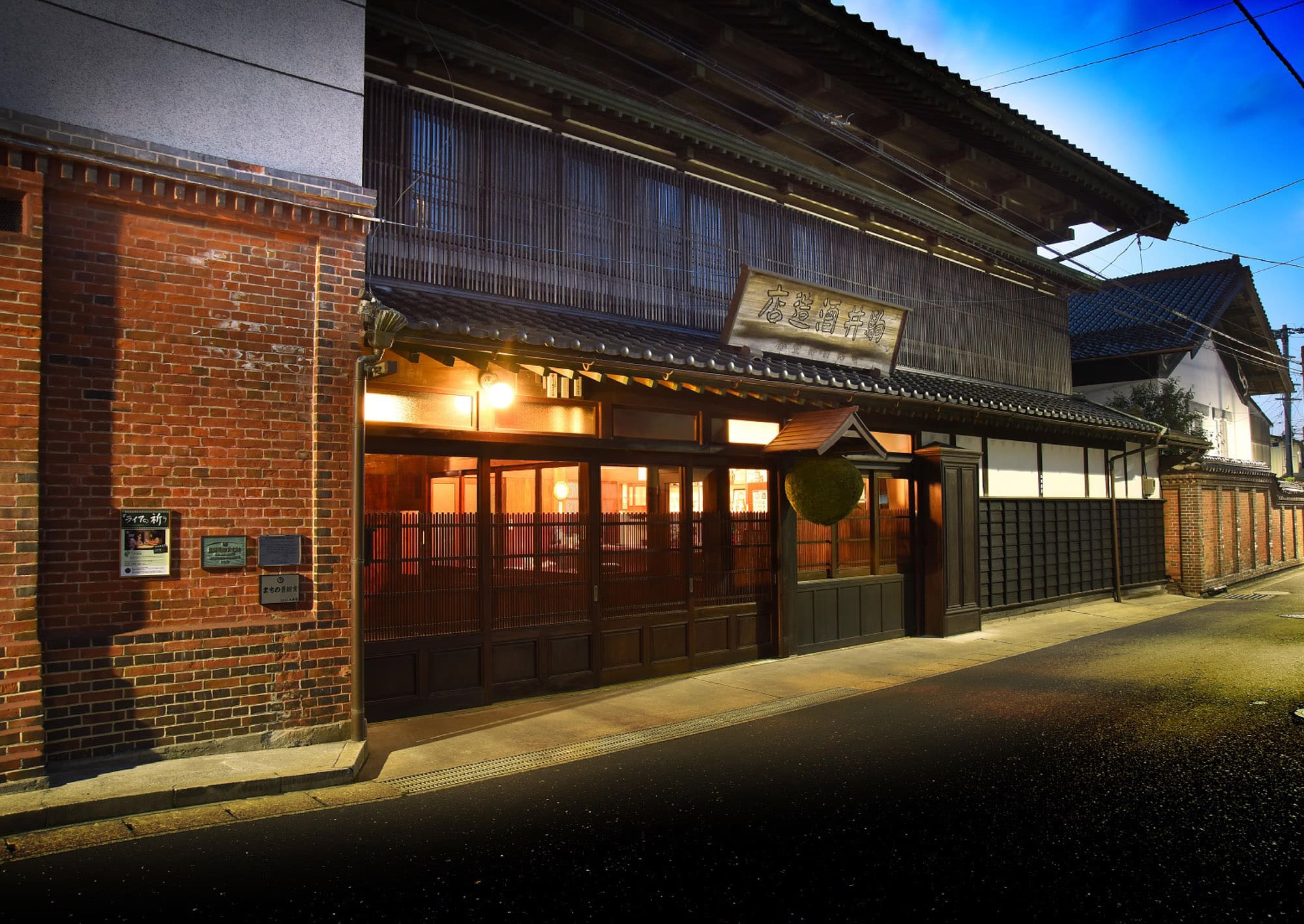
Founded in 1775 and now in its eighth generation, Hachinohe Sake Brewery has dedicated itself to crafting modern sake using only locally grown Aomori rice, Aomori yeast, and clear spring water from the Kanisawa area. The result is a house style that is distinctly kaoru-shu — an aromatic, fragrance-forward category of sake designed to be appreciated like a fine white wine.
The PINK label lives up to that promise. Brewed with two local Aomori rice varieties — Hanafubuki and Masshigura — and polished to 60%, this Ginjo opens with an immediately inviting nose of melon and banana, followed by layers of cotton candy and bubble gum on the palate. The finish is light and dry, with a pleasant sharpness that keeps each sip from ever feeling heavy or cloying.
What makes this sake genuinely exciting for food pairing is a quiet but important brewing decision: the use of white koji (shiro koji). Unlike the yellow koji traditionally used in sake production, white koji produces a meaningful amount of citric acid — the same crisp, refreshing sourness found in citrus fruits. This gives the Mutsu Hassen PINK a structural brightness that cuts through fat, lifts rich sauces, and brings Italian and French-inspired dishes into surprisingly elegant harmony.
Understanding the Flavor Profile Before You Pair
Before reaching for a dish, it helps to understand the architecture of this sake. Its Sake Meter Value (SMV) sits at 0 — right at the neutral boundary between sweet and dry — while its measured acidity of 1.1 and elevated fruit intensity score of 4 out of 5 paint the picture of a sake that leads with aromatic generosity and finishes clean.
Think of it as the sake equivalent of an off-dry Alsatian Riesling or a lightly aromatic Pinot Gris: fruity enough to complement rich and savory dishes, but structured enough not to be lost beneath bold flavors. That balance is your compass for pairing.
Four Western Pairings Worth Knowing
1. Cream Pasta — The Richness Foil
A classic tagliatelle or fettuccine in a cream and Parmesan sauce is one of the most intuitive Western matches for Ginjo PINK. The citric brightness from the white koji cuts through the fat of the cream, while the sake's melon and banana aromatics mirror the sweetness that butter and Parmesan naturally carry. The dry finish clears the palate and invites another bite. This is the same principle that makes a crisp white wine so satisfying with carbonara — only sake, containing no tannins and lower acidity than wine, marries with the sauce rather than competing against it.
2. Tomato and Mozzarella Salad — The Umami Echo
A Caprese salad — ripe tomatoes, fresh mozzarella, basil, and a thread of olive oil — is a study in ingredients loaded with natural umami. Tomatoes and Parmesan-family cheeses share glutamate compounds that resonate deeply with sake's own amino acid profile. The sake's gentle sweetness softens the acidity of the tomato, while its fruity nose acts as a fragrant bridge to the fresh basil. Fresh cheeses like mozzarella, in particular, respond beautifully to light, fruity Ginjo styles, as the sake's citrus undertones echo the cheese's milky lactic notes without overwhelming them.
3. Plain Donuts and Sweet Pastries — The Dessert Case
The sake world has a guiding rule for sweet pairings: the drink should be as sweet as, or sweeter than, the food. With its SMV at 0 and prominent cotton candy character, Ginjo PINK holds its ground alongside lightly sweetened Western pastries. Plain glazed donuts, vanilla shortbreads, or a simple French madeleine allow the banana and melon aromatics of the sake to shine rather than recede. This is a pairing that surprises guests and opens conversations — the kind of moment that demonstrates why sake belongs at every part of the meal, not just the savory courses.
4. Fourme d'Ambert — The Bold Contrast
For a more sophisticated exploration, consider Fourme d'Ambert, one of France's oldest and mildest blue cheeses. Its creamy, earthy pungency creates a striking contrast with the sake's clean fruit aromatics — a pairing built on deliberate opposition rather than harmony. The sake's residual sweetness mellows the salt intensity of the cheese, while the citric structure from the white koji prevents the pairing from feeling heavy. This is the kind of unconventional match that proves sake can hold its own where a full-bodied white wine or a sweet dessert wine might usually be called upon.
Serving Tips: Getting the Most from Ginjo PINK
Temperature matters enormously with aromatic Ginjo sake. Serve this bottle chilled, ideally between 8–12°C (46–54°F). At this range — known in Japanese as hanabie, or "cherry blossom cool" — the fruity aromatics are at their most vivid and the finish stays crisp. Avoid serving it at room temperature, as warmth suppresses the delicate fruit notes that make this sake special.
Glassware is the second key decision. A tulip-shaped white wine glass or a narrow Burgundy-style stem concentrates the melon and banana aromatics at the rim, giving you the full sensory experience before the sake even touches your lips. Skip the traditional ochoko cup for a food pairing context — the wide bowl dissipates the aromas too quickly.
Presentation: pour at the table, not in the kitchen. The visual clarity of the sake — crystal pale with just the faintest luminosity — deserves to be seen in the glass. When serving alongside Western dishes, treat it exactly as you would a premium white wine: chill, pour, and let the food do the rest of the talking.
The Mutsu Hassen Ginjo PINK is not a sake that demands cultural translation. It speaks the language of good food pairing fluently — and it speaks it with a melon-scented smile.