How a Wakayama Brewery Is Raising the Next Generation of Sake
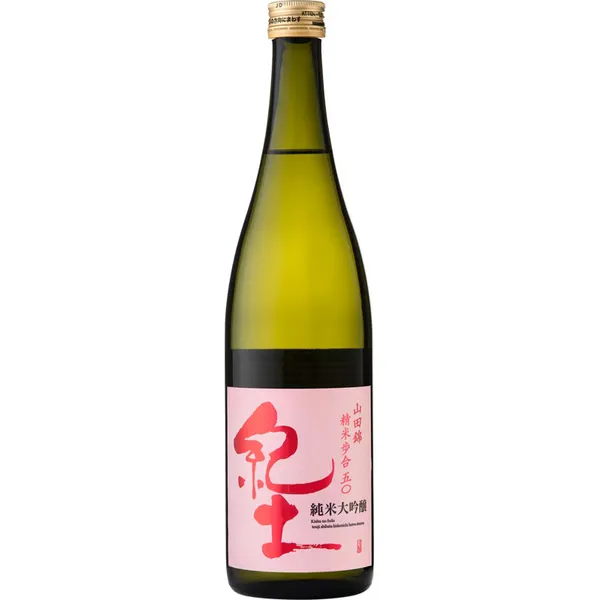
Heiwa Shuzou's KID Junmai Daiginjo is a vibrant, fruit-forward namazake from Wakayama that blends a century of brewing heritage with a bold vision for sake's future.
A Valley That Was Meant for Sake
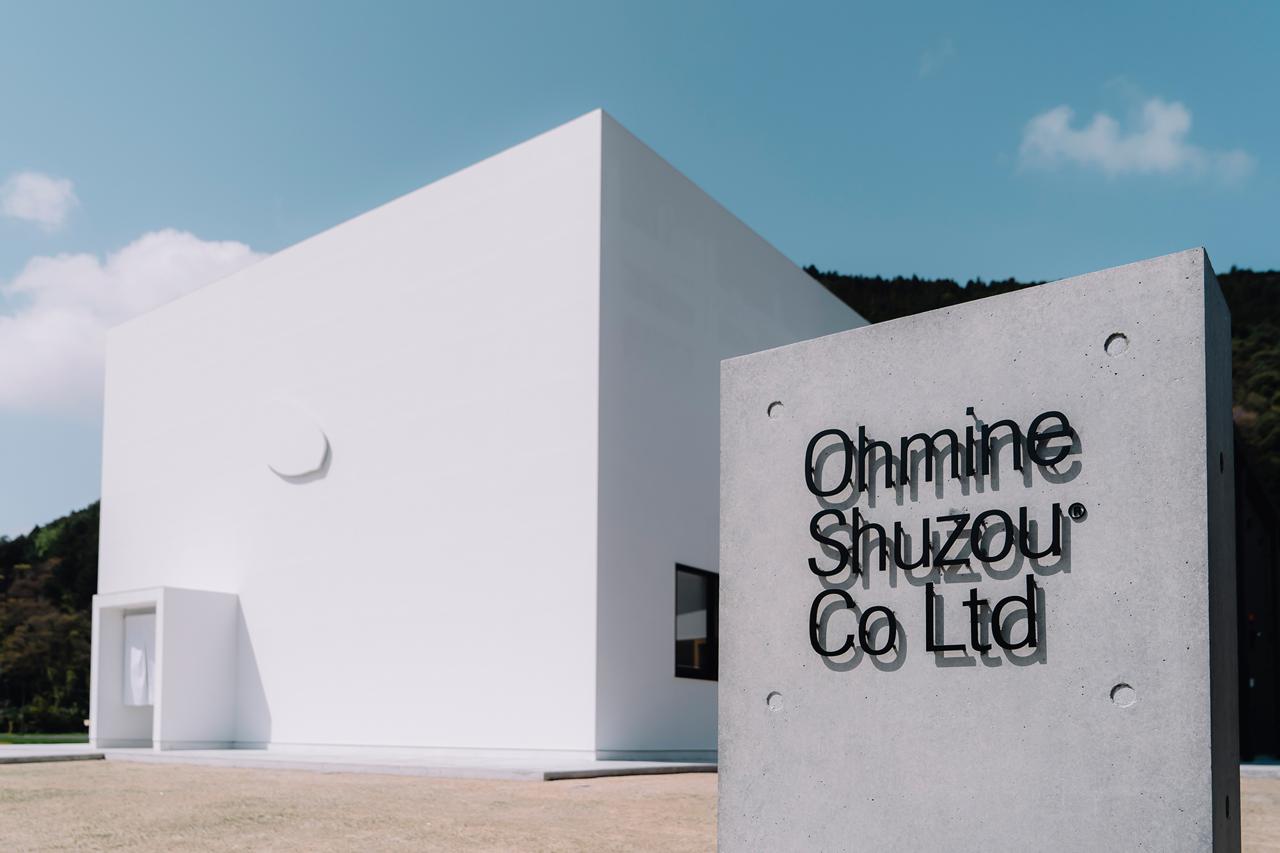
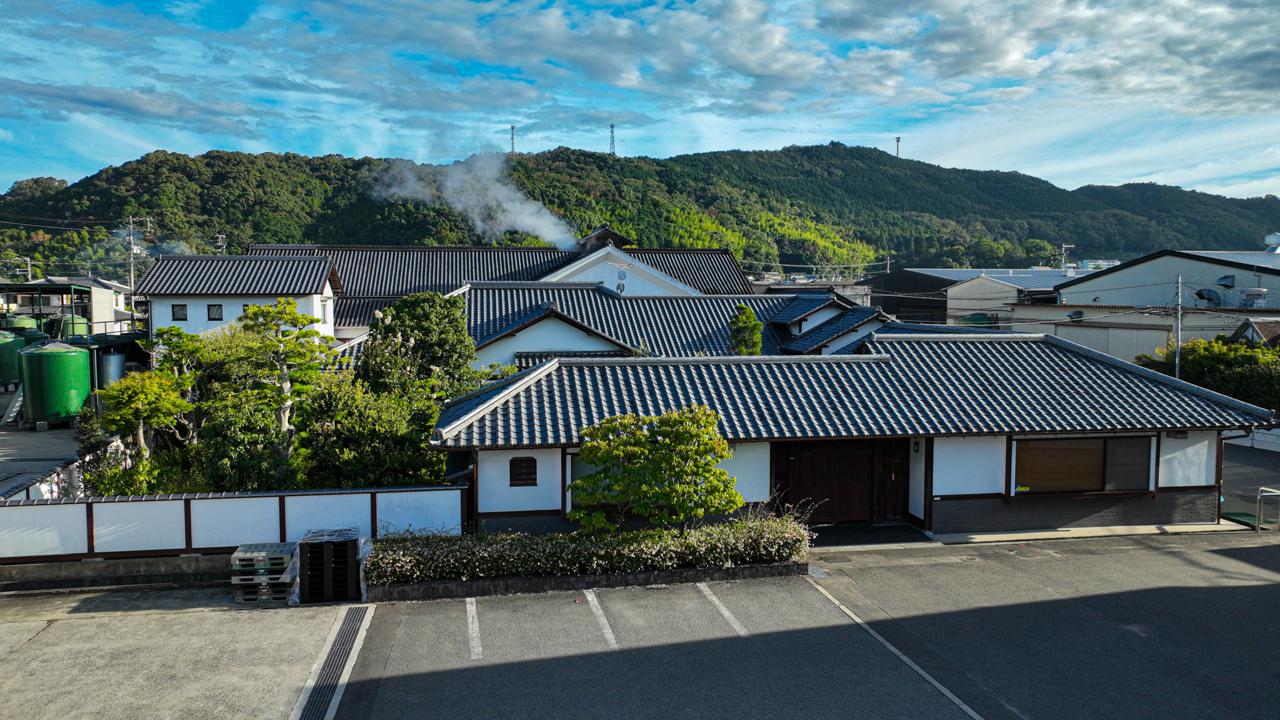
Tucked into the mountains of Kainan City, Wakayama Prefecture — about an hour south of Osaka — sits a quiet basin where cold mornings, mild days, and abundant underground spring water have made people want to brew sake for centuries. At its peak, nearly ten breweries operated within this single valley. Today, Heiwa Shuzou carries that tradition forward, and it does so with a quiet confidence that the best is still to come.
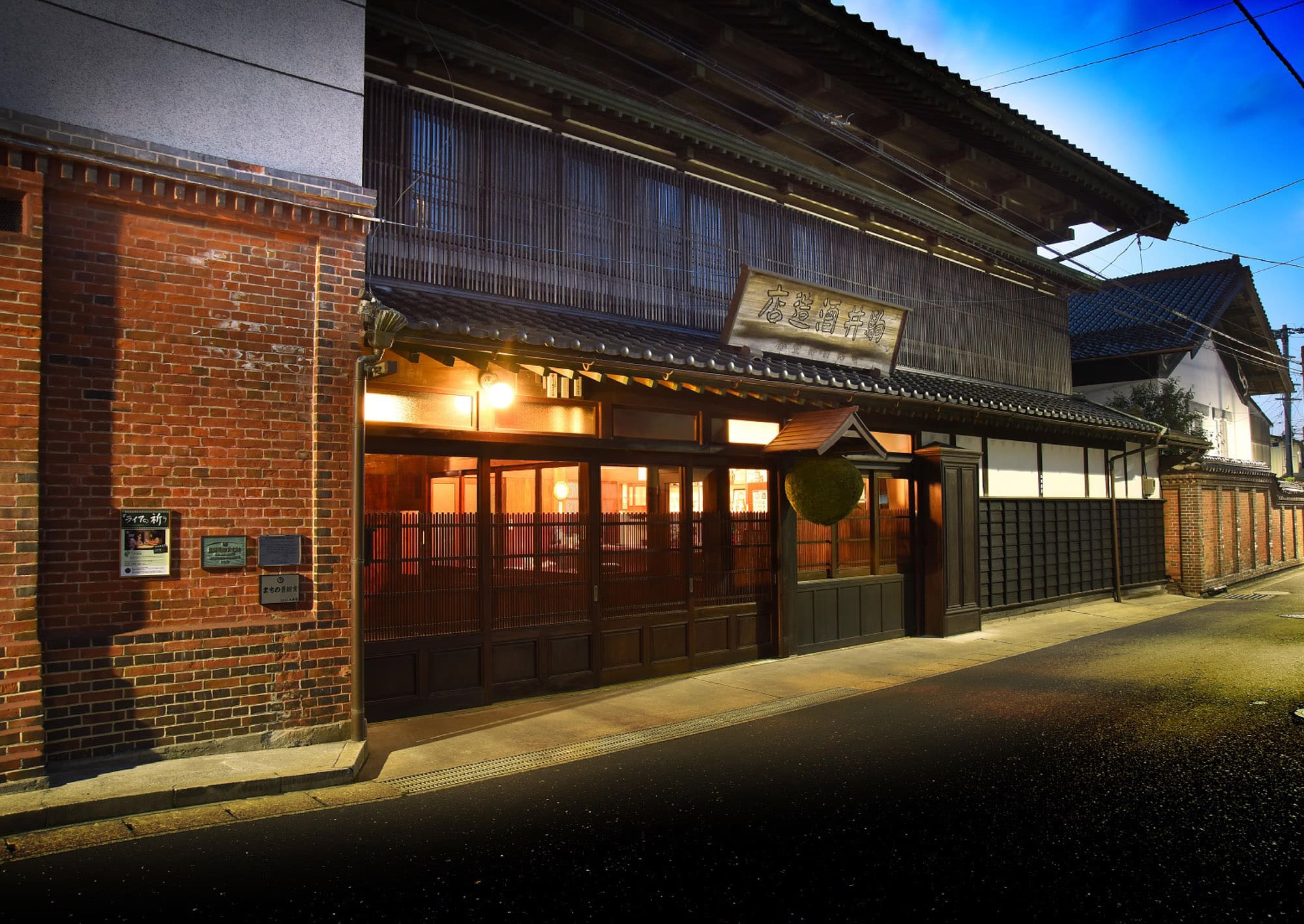
The spot where Heiwa Shuzou stands today was, for over 500 years, the site of a Buddhist temple called Muryozan Chōganji. When the Yamamoto family established a brewery here in 1928, they weren't just building on land — they were inheriting something far older. That sense of rootedness runs through everything Heiwa makes.
Peace, Hard Won
The name "Heiwa" means peace or harmony in Japanese, and it wasn't chosen lightly. During World War II, the brewery was forced to shut down by government order. Even after the war ended, permission to resume brewing was initially denied. The second-generation president, Yasumasa Yamamoto, personally travelled to the national parliament to plead for the brewery's revival, speaking with trembling passion about the pain of the forced closure and his hope to brew again in a peaceful era. His appeal moved the room — and eventually, permission was granted.
The name "Heiwa" was born from that moment: the joy of being able to brew sake in a time of peace. It's a deeply human story behind the label, and it gives the brewery's work a kind of weight that goes beyond fermentation.
The Fourth Generation Shakes Things Up
Fast forward to 2005. The fourth-generation president, Norimasa Yamamoto, takes over and immediately starts turning things upside down — in the best way. Before his arrival, the brewery had been producing bulk table sake largely as a contract brewer. Yamamoto had a different vision: sake that spoke to a new generation, crafted with the soul of Wakayama.
He also broke from the traditional top-down brewery hierarchy — where the head brewer, or toji, has absolute authority — and replaced it with a flat, collaborative team structure. Every young brewer's voice matters at Heiwa. It's an approach as modern as the sake they're making.
The results speak for themselves. Heiwa Shuzou became the first brewery in history to win the IWC Sake Brewer of the Year award in back-to-back years — 2019 and 2020 — a feat no other brewery has ever achieved.
So, What Does "KID" Actually Mean?
The KID brand was launched in 2008, and the name carries a double meaning that perfectly reflects the brewery's spirit.
On one hand, KID is shorthand for Kishu Fudo (紀州風土) — combining Kishu, the ancient name for Wakayama Prefecture, with fudo, meaning the natural environment or climate of a region. It's a sake that literally embodies the land it comes from.
On the other hand, KID evokes the English word kid — a child. Free, bright, and uninhibited. The brand was designed with the specific goal of introducing sake to younger drinkers and curious newcomers who might otherwise find the category intimidating. It's sake with its arms wide open.
What Makes the Junmai Daiginjo Special
The KID Junmai Daiginjo is the flagship of the KID line and the sake that best captures this philosophy. Here's what goes into it:
- Rice: Yamada Nishiki, widely regarded as the "king" of sake rice, sourced from premium-grade stock
- Rice polishing ratio: 50% — meaning half of each grain is milled away before brewing, leaving only the purest starchy core
- Water: Soft, pristine spring water fed by the sacred Mount Koya (Koyasan Nansui), which flows underground into the brewery's well
- Designation: Namazake — unpasteurized, bottled fresh to preserve maximum aroma and vibrancy
- Yeast: No. 1901, selected for its ability to produce bright, aromatic fermentations
This is a Sosan-shu (light and smooth) style sake — precise and delicate, not heavy or overbearing. The Namazake designation means it skips the usual pasteurisation step, keeping the sake lively and effervescent in character.
The result is a sake that opens with aromas of strawberry, cotton candy, and mango — playful and immediately approachable. On the palate, it's soft yet vibrant, with well-balanced acidity and a clean, refreshing finish. Light in body, but far from simple.
For Wine Drinkers Exploring Sake
If you love a crisp, aromatic white wine — think a lively Riesling or a floral Pinot Gris — KID Junmai Daiginjo is probably the most natural gateway into premium sake you'll find. The fruit-forward nose and clean acidity speak a language that wine lovers already know, while the texture and umami depth offer something genuinely new.
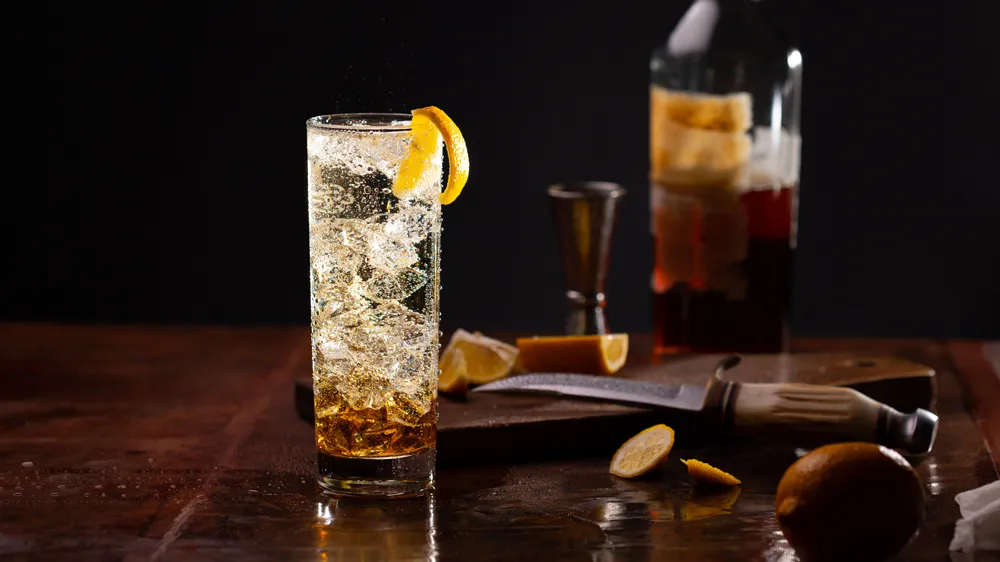
Serve it well chilled in a white wine glass. It's brilliant alongside fresh seafood, light sashimi, or even a soft goat's cheese.
Heiwa Shuzou set out to make sake for the next generation. With KID Junmai Daiginjo, they've made something timeless.