Mana Iwasaki and the Art of Brewing Spring: Inside Miyagi's Kanbai Shuzo
On the Osaki Plain of Miyagi, Kanbai Shuzo's president Mana Iwasaki leads Japan's only cultivation brewery to craft sake that, in their words, "calls spring to mind."
Where the Rice Meets the Sky
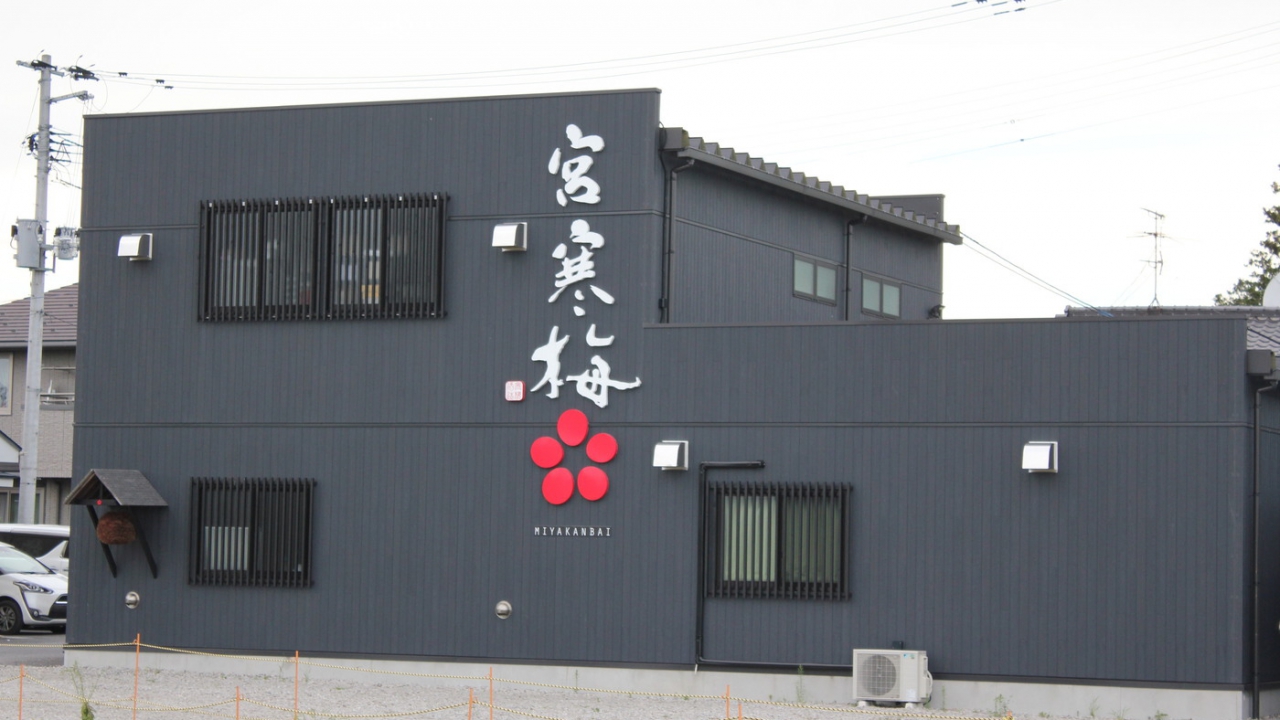
Stand at the edge of the Osaki Plain in Miyagi Prefecture and the landscape unfolds with disarming simplicity — an unbroken carpet of paddy fields stretching towards a low horizon, threaded by rivers and cooled by the mountain air of Tohoku. Somewhere in the middle of it all, almost indistinguishable from the farmhouses that surround it, sits a small brewery. If not for the characters 宮寒梅 painted on its wall, you might walk straight past. That quiet anonymity is entirely intentional. For the team at Kanbai Shuzo, greatness is not announced — it is grown, steeped, and poured.
A Century in the Making
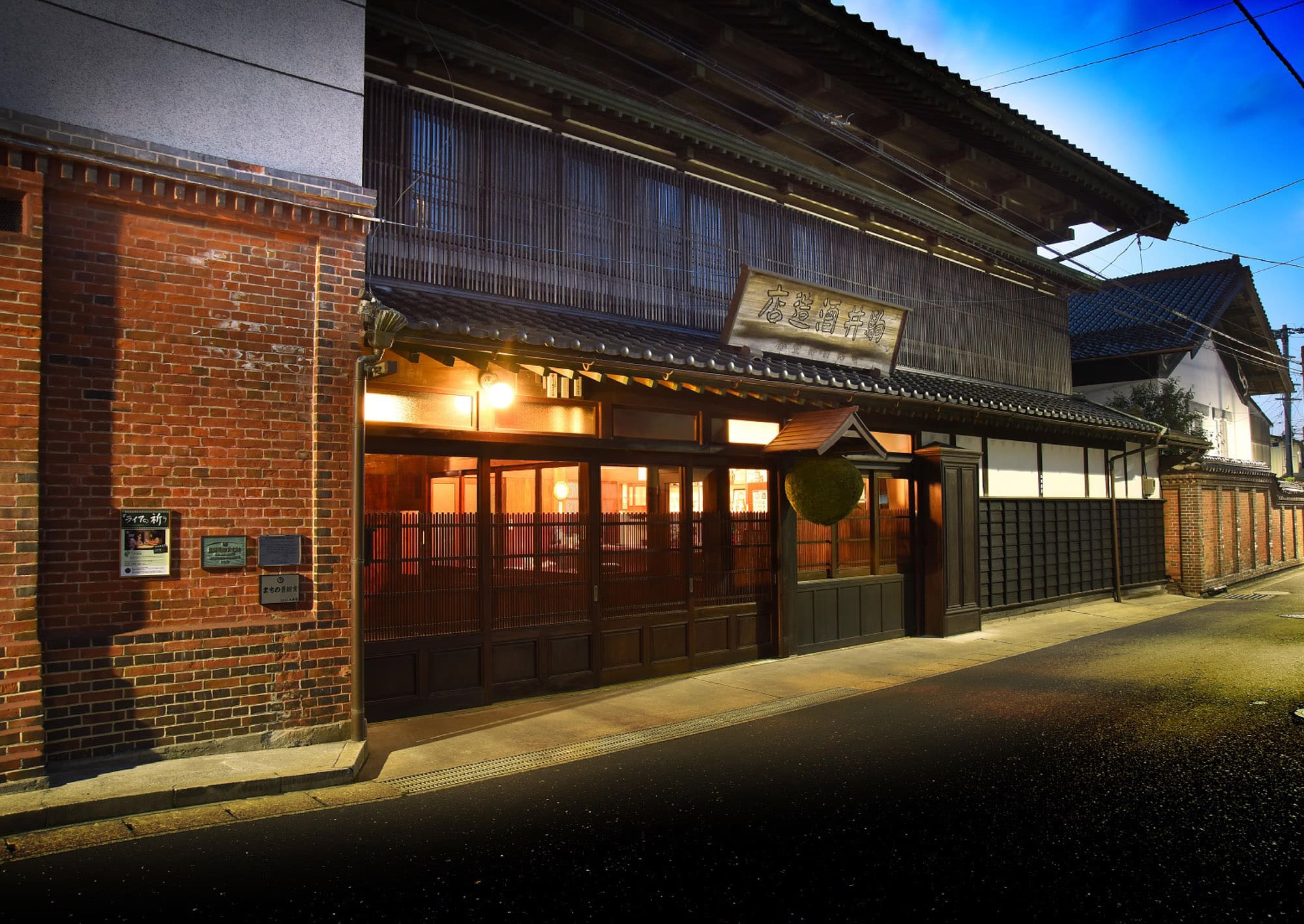
The story begins in 1918, when landowner Shinjiro Iwasaki began brewing sake from locally grown rice under the name Homare no Takagawa. The brewery was forced into a wartime silence in the 1940s, but rose again in 1956, reborn under the now-iconic label Miyakanbai — a name drawn from the winter-blooming plum blossom, kanbai, that flowers defiantly before spring has officially arrived.
Kanbai Shuzo is today in its fifth generation of family stewardship. Its current representative is Mana Iwasaki, the daughter of the brewery's chairman, who joined the business alongside her husband Kenya Iwasaki, the production chief and head brewer. Their arrival marked a quiet revolution. The sake Miyakanbai had long been known for a rich, weighty style. Mana and Kenya sat down with the chairman — repeatedly, honestly — to ask a foundational question: What kind of sake is truly Miyakanbai's sake?
The answer they arrived at was deceptively simple: a sake that is satisfying with just one drink.
Rising from the Earth — and the Earthquake
In March 2011, the Great East Japan Earthquake destroyed the brewery completely. For many producers, that would have been the end. For the Iwasaki family, it was a turning point. The brewery was rebuilt within the same year, and Mana has spoken of the disaster as the moment that crystallised their resolve. In the years that followed, Kanbai Shuzo refined its identity with sharper focus, narrowing its retail partnerships to only those sake merchants who had stood by them in their darkest days, and channelling their grief into a promise — to brew sake that warms and comforts.
The Only Cultivation Brewery in Miyagi
What most distinguishes Kanbai Shuzo from the broader sake world is a distinction it holds alone in the entire prefecture: it is Miyagi's only saibai jōzō gura — a cultivation brewery that manages every stage of production, from the planting of seedlings to the pressing of the finished sake. The paddy fields that spread out in front of the brewery are tended by the family itself, and yield three rare sake rice varieties: Miyamanishiki, Hiyori, and the near-mythical heirloom grain Aikoku, which the chairman once cultivated from just 132 seeds over three painstaking years into enough rice to fill a single fermentation tank.
Approximately 20% of the brewery's total production draws on these estate-grown rices; the remaining 80% is sourced exclusively from Miyagi Prefecture farmers who meet the brewery's standards. Not a single grain comes from outside the region.
The brewery's guiding conviction is plain-spoken and profound: "Delicious local sake depends on delicious rice."
A Lineup Rooted in Integrity
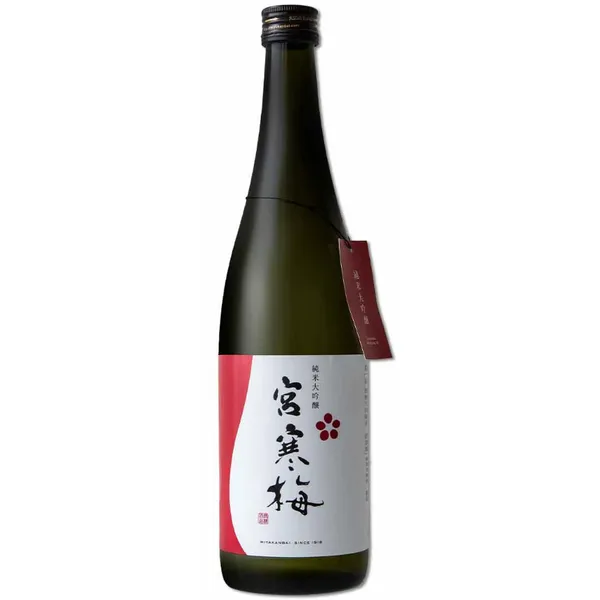
The Miyakanbai Junmai Daiginjo is the brewery's flagship — a sake polished to 45%, built on Miyamanishiki rice, and stored at a precise −5°C to preserve its delicate aromatics. Clean, structured, and moderately dry, it pairs with authority alongside fatty cuts of maguro and grilled wagyu, where its refreshing acidity cuts through richness without losing composure. A consistent gold medallist at the prestigious Sake Competition, it has drawn international admirers since the early 2000s.
Beyond the flagship, the range reflects the Iwasakis' appetite for craft and curiosity:
- Miyakanbai Junmai Daiginjo Ginzui — polished to an extraordinary 19%, this expression of Miyamanishiki achieves a near-crystalline purity with an almost imperceptible finish.
- Miyakanbai Junmai Daiginjo Muroka Nakadori — unfiltered and drawn only from the heart of the press run, using Kura no Hana rice with Miyagi yeast; released in very limited quantities at the start of each brewing season.
- Miyakanbai Junmai Ginjo Origarami Namazake — a lively unfiltered unpasteurised sake, its fine ori lees still suspended in the bottle, delivering a textured, umami-rich mouthfeel with vivid fruit character.
- Uguisu Saku — a second label whose name evokes the Japanese bush warbler's spring song, a nod to the poetry of seasonal renewal that runs through every bottle Kanbai Shuzo makes.
The Shape of a Philosophy
Mana Iwasaki leads a brewery that does not separate the act of farming from the act of brewing — or the act of brewing from the act of feeling. Kenya manages the fermentation room with a perfectionist's discipline; tools in the shikomi-ba are reported to gleam as if newly made. Together, they frame their ambition around what they call "sake-making where the producer's face and heart can be seen" — a vision only possible, they argue, when you have been present from the very first seed.
The name Miyakanbai encodes that vision. As the winter plum flowers before its season, Kanbai Shuzo brews against expectation — with patience, precision, and the quiet confidence of those who know exactly what spring feels like.