Beni Komaki: The Sweet Potato Shochu Born from a Mother's Vision
Discover Beni Komaki, a refined sweet potato shochu crafted by Kagoshima's Komaki Distillery — a century-old producer blending tradition, meticulous craft, and a woman's quiet revolution.
Where Mountains Meet the River
In the northwestern corner of Kagoshima Prefecture, where the sacred Mount Shio towers over the town of Satsuma-cho, the Komaki Distillery has been quietly shaping one of Japan's most storied shochu traditions. The distillery sits beside the Sendai River — a first-class waterway teeming with ayu sweetfish, freshwater eel, and river crab — and draws its brewing water from the underground springs that flow down from Mount Shio's volcanic ridgeline. It is a landscape defined by purity: clean water, mineral-rich earth, and the kind of unhurried natural rhythm that serious craft requires.
This is where Beni Komaki, a singular sweet potato shochu, comes to life.
A Distillery Built to Endure
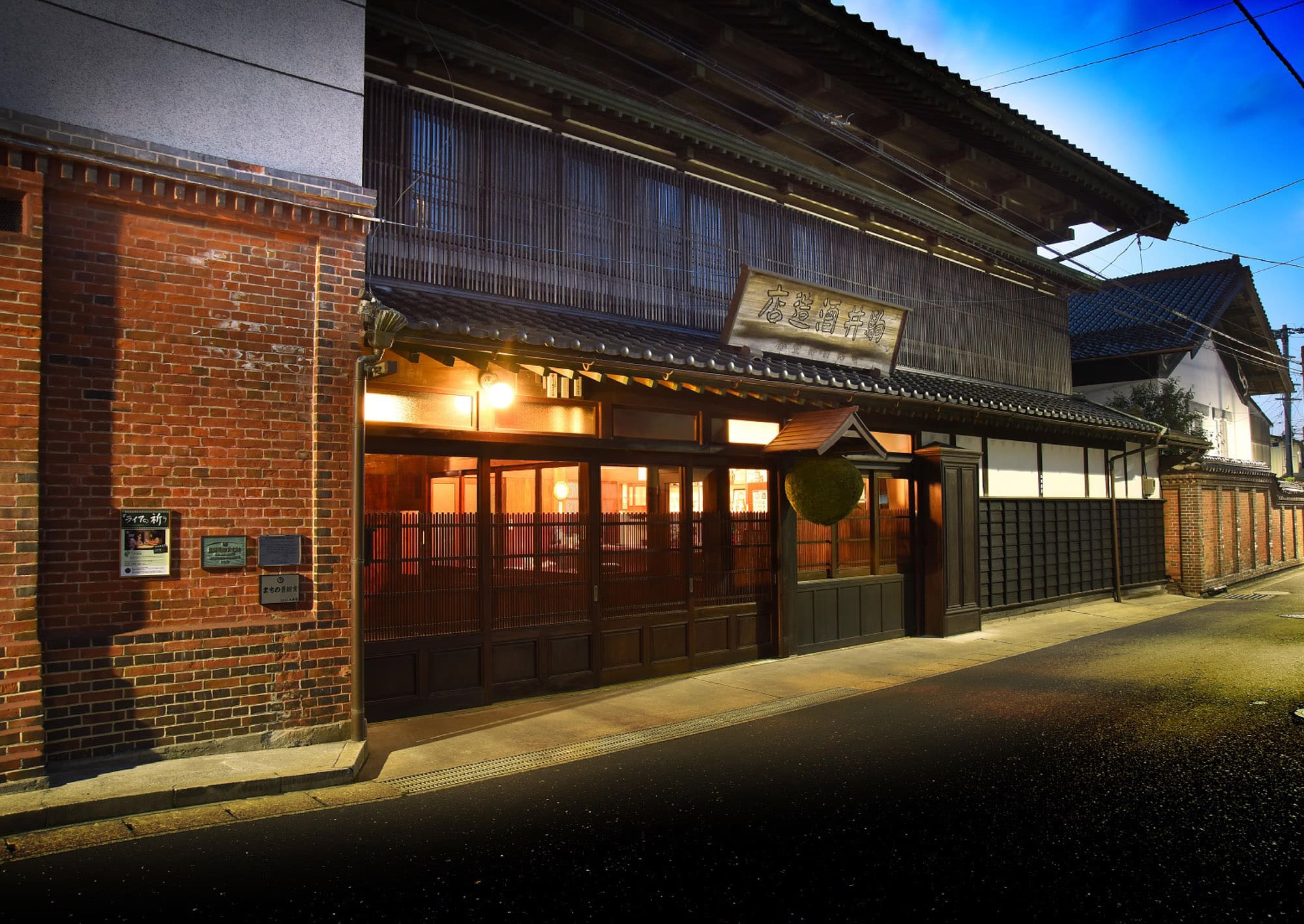
Komaki Distillery was founded in 1909 — the 42nd year of the Meiji era — and has operated without interruption for well over a century. It is no accident that it has survived so long. The distillery has endured three devastating floods caused by the Sendai River overflowing its banks. Each time, it was rebuilt — not merely through stubbornness, but through the collective will of the distillery workers and the community of people who believed in what Komaki was making.
Today, the distillery is run by two brothers: Kazunori Komaki, the president, and his younger brother Isekichi Komaki, a third-generation toji (master distiller) and senior managing director. Their guiding philosophy can be distilled into a single phrase that has echoed through the distillery for generations: "Shochu-making is people-making." Every step in production — every decision about ingredients, fermentation, and distillation — is made with gratitude toward all those connected to the brewery.
The distillery's identity runs deeper than slogans, however. Workers wear uniforms modelled on the Industrial Revolution era in England — a nod to the period in which Komaki was founded, and a symbol of the team's devotion to honouring the heritage built by their predecessors.
What Makes Komaki Different: The Kame Shikomi Method
At the heart of Komaki's production is an ancient fermentation technique known as kame shikomi — fermentation in traditional Japanese earthenware pots called kame. Both the primary and secondary fermentation stages are conducted in these clay vessels, which are embedded in the earth and use geothermal heat to regulate temperature naturally. Over decades, the porous walls of these pots become home to a complex ecosystem of native microorganisms unique to the distillery, imparting what specialists describe as an earthy depth of flavour — a rich, layered quality that is impossible to replicate with modern stainless-steel tanks.
The water used throughout this process flows from the Shio mountain range's underground aquifer — soft, pure, and mineral-balanced. Combined with the living culture of the kame, it forms the invisible backbone of every bottle that leaves Komaki.
Beni Komaki: A Mother's Legacy
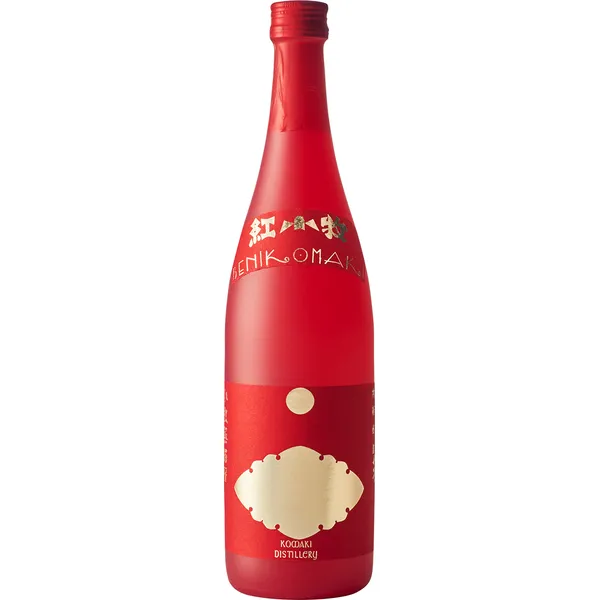
Within Komaki's range, Beni Komaki occupies a special place. The story of its creation is as human as it is crafted. It was conceived in 2001 by Setsuko Komaki — the late mother of the current owner and herself a female toji — who wanted to create a sweet potato shochu that women and younger drinkers could genuinely enjoy, both visually and on the palate. Setsuko passed away in 2005, but her vision lives on in every bottle of Beni Komaki.
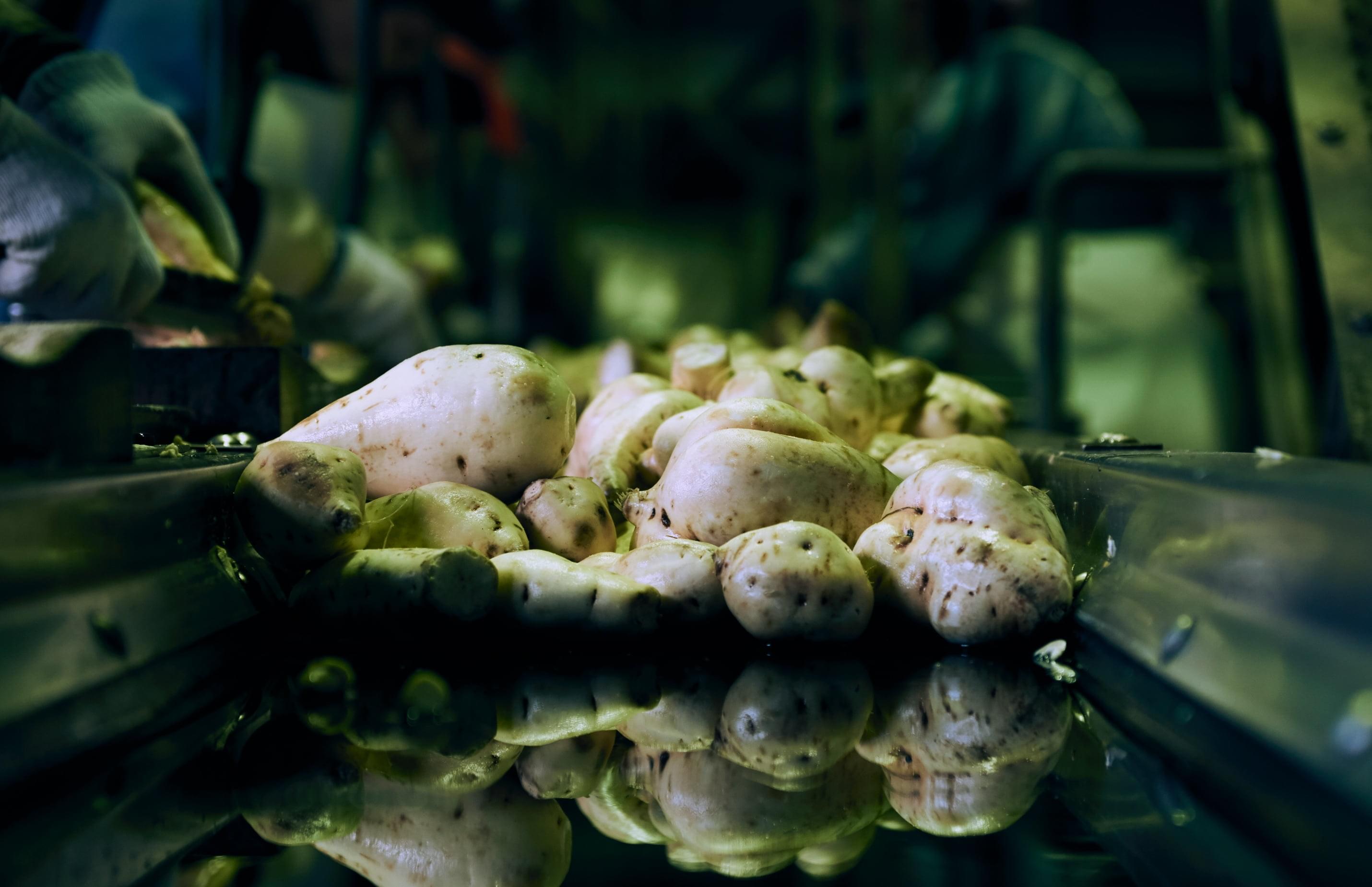
The shochu is made exclusively from Beni Satsuma red sweet potatoes — a premium variety grown primarily as a table fruit and vegetable, known for its high natural sugar content and the warm, floury sweetness of its flesh. It is a variety more often found at a farmers' market than in a distillery, and that distinction matters. These potatoes are hand-sorted and washed four times before production begins — a meticulous quality control step that removes any blemished or bruised sections, which would otherwise introduce off-aromas into the finished spirit.
For the koji rice — the mould-cultured grain that drives fermentation — Komaki uses Hinohikari, a premium-grade rice variety eaten at Japanese dinner tables. Choosing table-quality rice for koji, rather than a lower-grade milling rice, reflects the distillery's conviction that every ingredient must meet the standard of something "you would gladly serve to someone you love."
How Beni Komaki Is Made
The production process follows the traditional honkaku (authentic) shochu method — single-pot distillation that preserves the full aromatic character of the raw ingredients.
- Koji preparation — Hinohikari rice is steamed and inoculated with koji mould, cultivated carefully to build the enzymatic power needed to convert sweet potato starches into fermentable sugars.
- Ingredient selection — Beni Satsuma potatoes are hand-inspected, washed four times, trimmed, and steamed fresh before use.
- Primary fermentation (ichiji shikomi) — Koji, water, and yeast are combined in the earthenware kame pots and left to develop a robust yeast culture over approximately one week.
- Secondary fermentation (niji shikomi) — The steamed sweet potatoes are added and the mash ferments for a further 10–15 days, deepening the aromatic complexity.
- Single distillation — The fermented mash is distilled once in a traditional pot still, retaining the floral and fruity character of the Beni Satsuma potato.
The result is then diluted with soft mountain water to a finished strength of 30% ABV — higher than many standard shochus, yet Komaki's proprietary method produces a texture so soft that the alcohol is almost imperceptible.
In the Glass
Beni Komaki opens with a fresh, citrus-tinged sweetness that speaks directly to the character of red sweet potato. Floral notes — reminiscent of jasmine and light orchard fruit — lift on the nose before giving way to a palate that is round, gentle, and surprisingly elegant for its strength. The finish is clean and lingers with a refined, natural sweetness that is neither heavy nor cloying.
It is best enjoyed on the rocks with a small splash of water — a serving style known in Japan as choimizu — which opens the aromatics beautifully. But like all great honkaku shochu, it rewards curiosity: try it with warm water on a cool evening, and a completely different, warmer dimension of the spirit reveals itself.
Beni Komaki is not simply a shochu. It is a century of craft, a mother's intention, and the quiet power of the Japanese countryside — poured into a glass.